
The Art and Science of Food and Wine Matching: Elevate Your Culinary Experience
Let’s be honest, there’s a certain magic when the perfect food and the perfect wine unite. It’s more than just a meal and a drink; it’s a flavor revelation, a dance on your palate where both elements shine. But the world of food and wine pairing can sometimes feel exclusive, shrouded in unspoken rules. Fear not! We’re here to demystify the process and empower you to master your own taste.
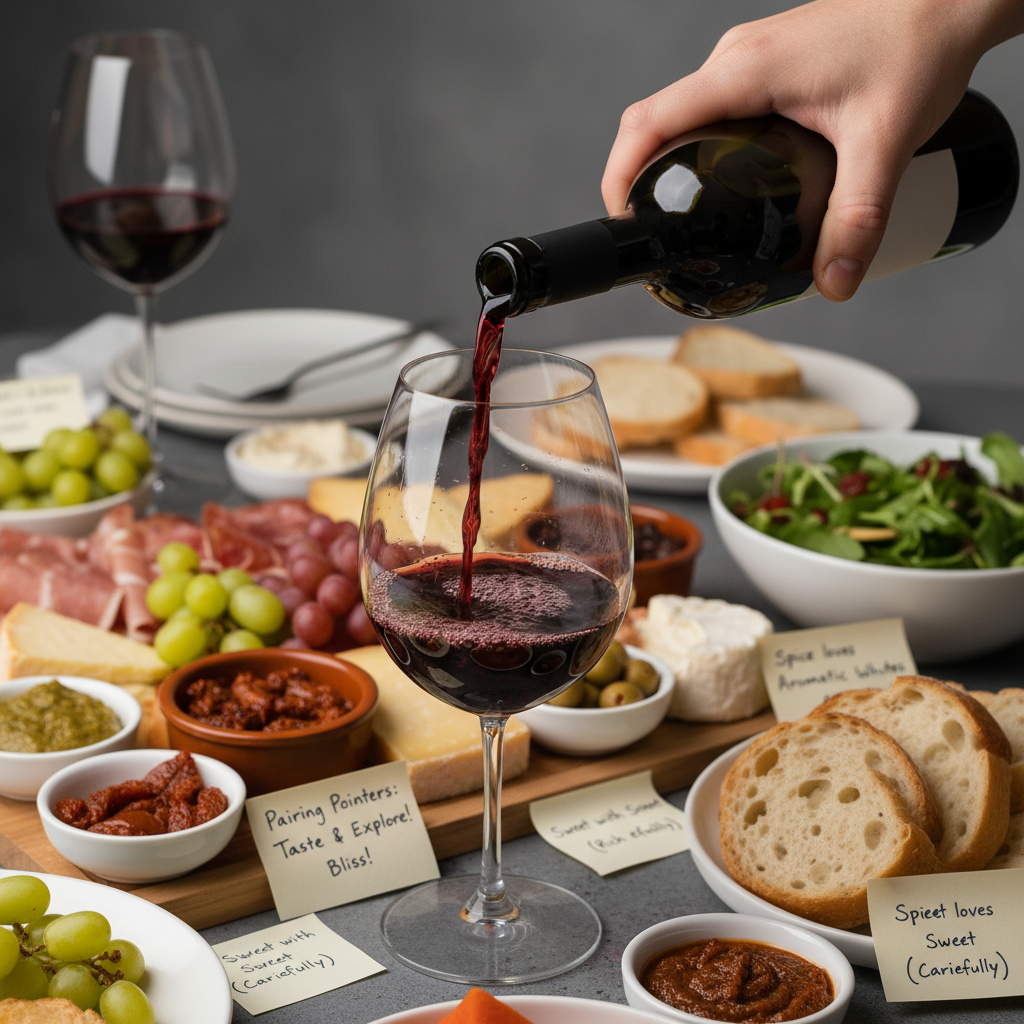
Why Bother with Pairing? The Synergy of Sensation
So, why dedicate thought to pairing? It’s all about creating harmony! A well-chosen wine can enhance a dish’s flavors, cut through richness, or complement spice. A poor pairing, however, can leave both your food and wine tasting lackluster. The goal, dear foodies, is synergy – that incredible moment when the combined experience transcends the sum of its parts. It’s not just about taste; it’s about textures, aromas, and that delightful mouthfeel.
The Golden Rules: Understanding the Fundamentals
Think of these not as strict commandments, but as highly effective guidelines from a wine-savvy friend.
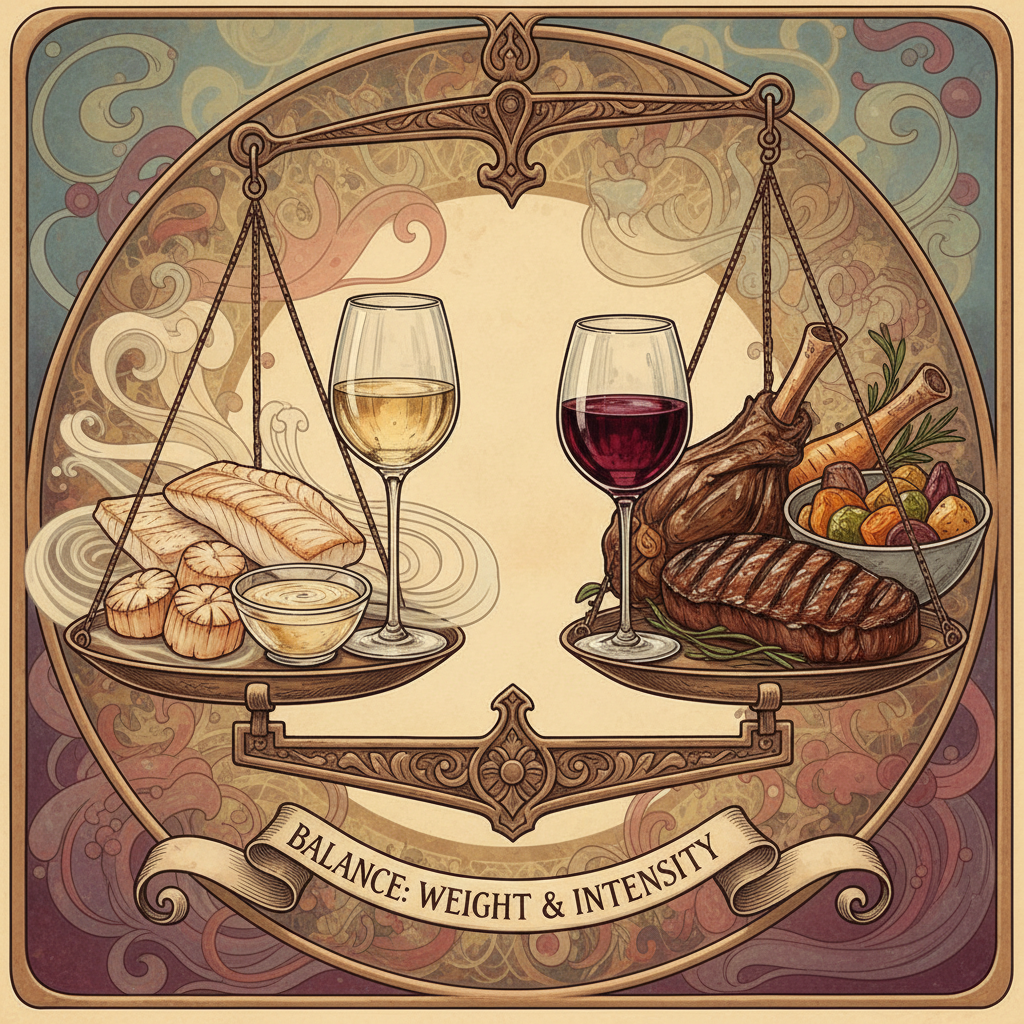
1. Balance the Weight and Intensity
This is your foundational principle: light wine, light food; heavy wine, heavy food.
- Light-bodied whites (e.g., Pinot Grigio, Sauvignon Blanc) pair beautifully with delicate fish, light salads, and delicate appetizers.
- Medium-bodied whites (e.g., unoaked Chardonnay, Chenin Blanc) can handle roasted chicken, creamy pasta dishes, and richer seafood.
- Light-bodied reds (e.g., Pinot Noir, Gamay) are surprisingly versatile with poultry, mushroom dishes, and even salmon.
- Medium-bodied reds (e.g., Merlot, Sangiovese) complement roasted meats, pizzas, and Mediterranean fare.
- Full-bodied reds (e.g., Cabernet Sauvignon, Syrah) are best for grilled steaks, braised lamb, and strong cheeses.
Pro Tip: Imagine pairing a delicate sole with a bold Cabernet Sauvignon – the wine will overwhelm the fish. Conversely, a light Pinot Grigio will struggle to stand up to a rich ribeye.
2. Acidity Loves Acidity (and Fat)
Acidity in wine acts as a refreshing counterpoint, cleansing the palate.
- High-acid wines with high-acid foods: A crisp Sauvignon Blanc is a perfect match for a lemony salad or tangy goat cheese. Sparkling wine with fried calamari is another classic example.
- High-acid wines with fatty/oily foods: This is where true magic happens. The acidity cuts through richness, providing a palate reset. Think Champagne with oysters, or Chianti with a greasy pepperoni pizza.
3. Sweet with Sweet (and a Little Sweeter)
The rule here is simple: your wine must be sweeter than your dessert, or it will taste tart.
Example: A late-harvest Riesling with apple pie, or Port with chocolate cake, are timeless pairings.
4. Tannins Befriend Fat and Protein
Tannins, those compounds in red wine that create a drying sensation, find their perfect partners in fat and protein.
- High-tannin reds (Cabernet Sauvignon, Nebbiolo) are ideal with steak, lamb, or aged cheeses. The fat softens the tannins, resulting in a smoother wine.
- Avoid them with delicate fish (to prevent a metallic taste) or overly spicy dishes, as tannins can intensify heat.
5. Spice and Heat: Proceed with Caution
Spicy foods can amplify the effects of alcohol and tannins in wine, leading to an unpleasant heat.
- Opt for: Low-alcohol, slightly sweet, or aromatic whites like off-dry Riesling or Gewürztraminer. The touch of sweetness cools the palate.
- Light, fruity reds can also work, such as a chilled Beaujolais.
Example: An off-dry German Riesling beautifully complements fiery Thai curry.
6. Umami: The Tricky Fifth Taste
Umami-rich foods (mushrooms, aged cheese, cured meats) can sometimes make wines taste harsher.
- Seek out: Lower-tannin reds like Pinot Noir or richer whites like an aged Chardonnay.
Example: Earthy mushrooms pair wonderfully with an earthy Pinot Noir or a dry Sherry.
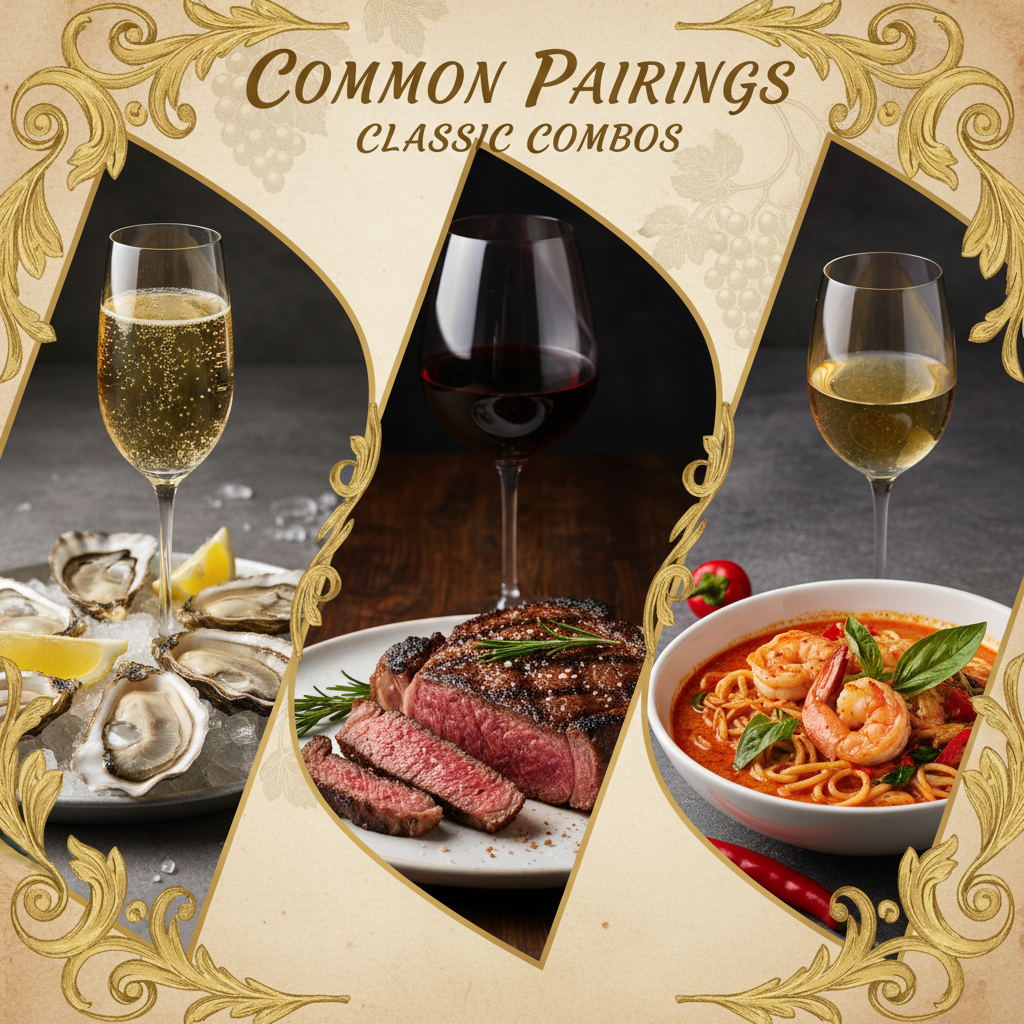
Beyond the Rules: Common Pairings and Classic Combos
Here are some tried-and-true pairings:
- Sparkling Wine: Fried foods, oysters, sushi, salty snacks.
- Sauvignon Blanc: Goat cheese, salads, asparagus, oysters.
- Pinot Grigio/Gris: Light seafood, simple pasta, mild cheeses.
- Chardonnay (unoaked): Roasted chicken, creamy pasta, salmon.
- Chardonnay (oaked): Lobster, richer poultry, pork, butter sauces.
- Riesling (off-dry): Spicy Asian food, pork, light curries.
- Pinot Noir: Salmon, duck, roasted chicken, mushrooms.
- Merlot: Roast chicken, lasagna, burgers, pizza.
- Sangiovese (Chianti): Tomato-based pasta, pizza, cured meats.
- Cabernet Sauvignon/Bordeaux Blends: Grilled steak, lamb, beef stews.
- Syrah/Shiraz: BBQ ribs, venison, bold lamb, peppery steaks.
- Port/Dessert Wines: Chocolate desserts, blue cheese, fruit tarts.
“What Grows Together, Goes Together”: Regional Harmony
A simple yet effective strategy: pair wines from a region with the cuisine from that same region.
- Italy: Tuscan Sangiovese with Bolognese.
- France: Bordeaux with rich beef dishes. Loire Sauvignon Blanc with goat cheese.
- Spain: Rioja with lamb or tapas.
- Greece: Assyrtiko with grilled octopus or feta.
Common Pairing Pitfalls to Avoid
- Tannins + Fish = Metallic Taste.
- Sweet Wine with Savory Dishes (generally).
- High Alcohol/Tannins + Spice = Unpleasant Heat.
- Bitter Food + Bitter Wine = Overpowering.
- Overpowering Delicate Dishes with Bold Wines.
Tips for the Aspiring Pundit (or Just for Enjoyment)
- Start Simple: Focus on weight, acidity, and tannins.
- Identify the Star: Let the main flavors of the dish guide your wine choice.
- Consider Cooking Method: Grilled vs. pan-seared dishes require different wines.
- Experiment! Rules are guidelines; your palate is the ultimate judge.
- Ask the Pros: Sommeliers and wine shop staff are valuable resources.
- Trust Your Gut: If you enjoy a pairing, it’s a good one.
Conclusion: Embark on Your Own Flavor Journey
Food and wine pairing is a delightful exploration, an adventure that elevates everyday meals. By understanding the interplay of weight, acidity, and tannins, you’ll unlock new dimensions of flavor. So, go forth, uncork, cook, and experiment. Every tasting is a step towards a more flavorful life. Cheers!